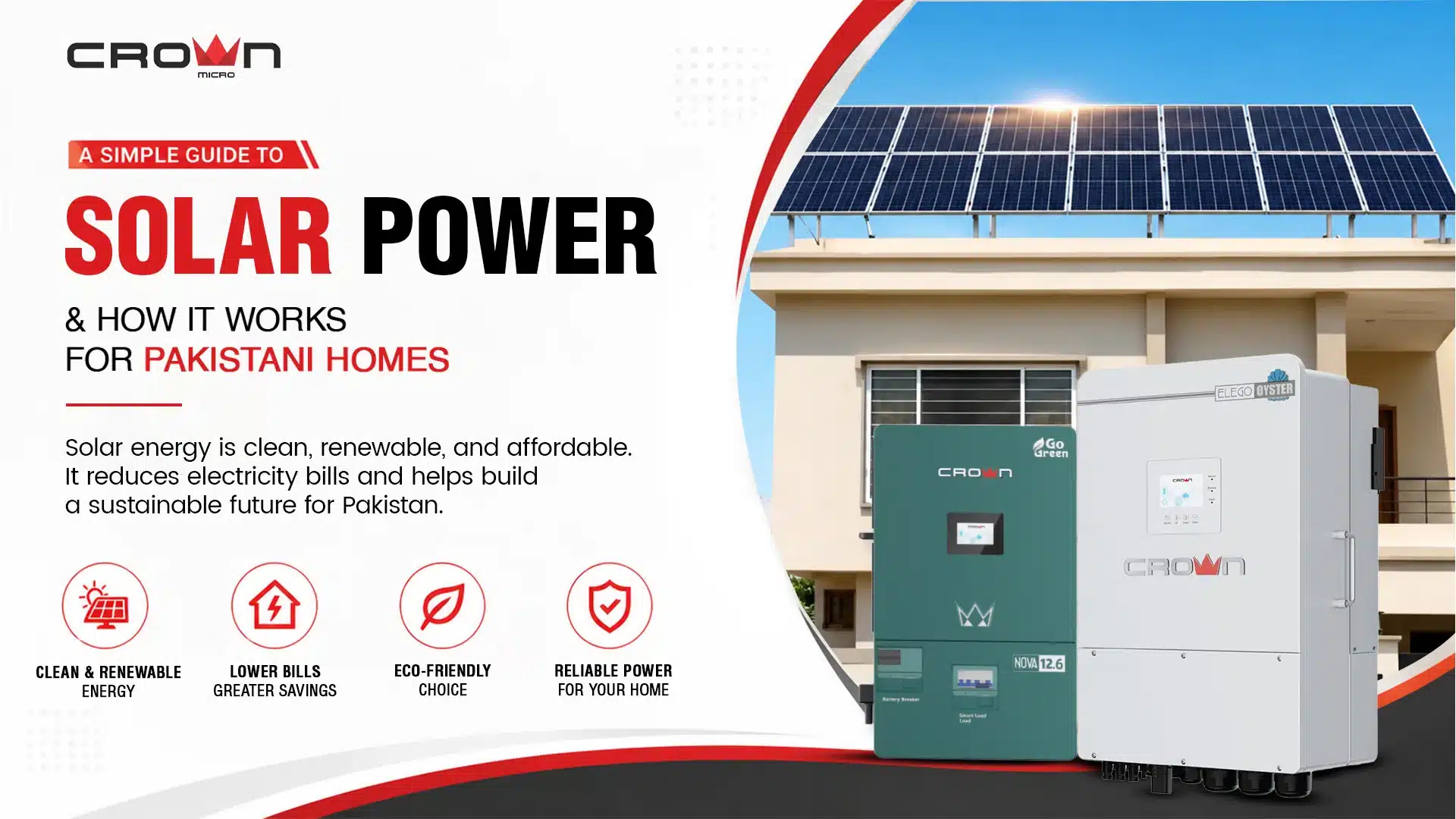
Solar power is the electricity generated when sunlight hits photovoltaic panels and is converted into electricity that your home can use. In a Pakistani household, the current usually runs through an inverter and, if you have batteries, gets stored for the evening. The result is reduced electricity bills and, depending on your system, power that keeps running when the grid doesn’t.
Before you read further, here’s the short version of what matters most:
- Solar panels convert sunlight into DC electricity through photovoltaic cells.
- An inverter turns that DC power into the AC power your appliances need.
- On-grid, off-grid, and hybrid systems each solve a different problem, from bill reduction to full independence from the national grid.
- A typical 5kW to 10kW home system in Pakistan costs anywhere from a few hundred thousand to over two million rupees, depending on battery type and inverter brand.
- Net metering has changed. Pakistan now runs on a net billing system, and export rates are lower than they used to be.
- Panel count depends on your daily unit consumption, not just your roof size.
- The right installer matters as much as the right equipment, maybe more.
Anyone who has sat through a summer evening with no fan running knows why this topic isn’t just a technical curiosity anymore. It’s survival planning.
What Is Solar Power? A Simple Answer for Pakistani Homeowners
Solar power is electrical energy produced when sunlight strikes a solar panel and knocks electrons loose inside its silicon cells, creating a flow of direct current. That current gets converted into the alternating current your home’s wiring is built for, powering everything from your fridge to your motor without needing a drop of diesel or a single unit from the grid.
It sounds almost too simple. Sunlight goes in, electricity comes out. But the physics behind it, called the photovoltaic effect, has been understood since the 1950s and has only gotten cheaper and more efficient since. Pakistan sits in one of the best solar belts in the world, with most of the country receiving five to seven hours of strong, usable sunlight a day, even through the hazy Punjab summers.
That’s the part most guides skip. It’s not just about having panels on your roof. It’s about how much of that raw sunlight actually turns into electricity you can use, and that depends on panel quality, roof angle, shading, and heat. Yes, heat. Solar panels actually lose a small percentage of efficiency as temperatures climb past 25°C, which matters a lot in a country where summer roof temperatures can cross 40°C.
How Does Solar Energy Work? Step by Step for Home Use
Solar power isn’t magic, and it isn’t a single device doing all the work. It’s a small chain of components, each doing one job well. Here’s how electricity actually gets from your roof to your ceiling fan.
Step 1: Sunlight Hits the Solar Panels
Your solar panels are made of dozens of individual photovoltaic cells, usually monocrystalline or polycrystalline silicon. When sunlight photons strike these cells, they knock electrons loose, creating an electric current. This current flows as direct current, or DC, the same type of power your car battery produces.
The strength of this current depends on sunlight intensity, panel angle, and cleanliness. Dust is a real enemy here. Anyone who has left panels uncleaned in dusty storm seasons knows output can drop noticeably within weeks. That’s why most installers recommend wiping panels down every few weeks, more often near construction sites or busy roads.
Panel wattage tells you how much power a single panel can produce under ideal lab conditions, not real Pakistani rooftop conditions, so real-world output usually runs a bit lower than the number printed on the box.
Step 2: The Inverter Converts DC to AC Power
DC electricity can’t run your television, your washing machine, or your tube light. Your home runs on alternating current, or AC. That’s where the solar inverter comes in. It takes the raw DC power from your panels and converts it into clean AC power matched to Pakistan’s standard 220V supply.
Modern inverters do more than just convert power. They monitor system performance, protect against voltage spikes (a real concern given how often Pakistani grid voltage fluctuates), and in hybrid models, manage the flow between panels, batteries, and the grid. Choosing the right solar inverter set for your household size is arguably the single most important decision in the entire system, more than panel brand in most cases.
Step 3: Your Home Uses the Power, or Stores It
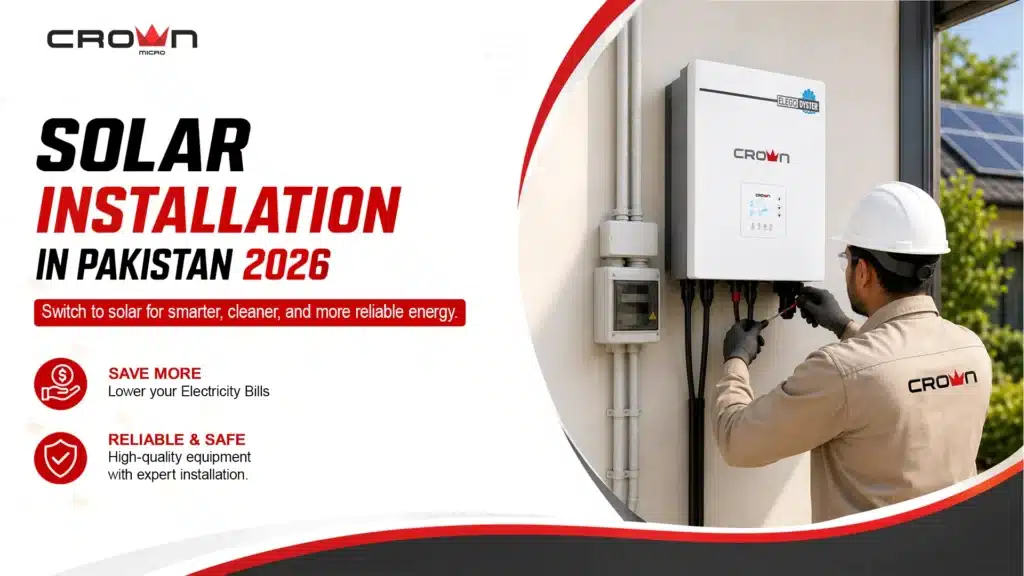
Once converted to AC, the electricity goes straight to your home’s electrical panel and gets used by whatever is running at that moment: your lights, your AC units, your motor. If your system includes a battery bank, any power you’re not using immediately gets stored instead of wasted.
This is where the type of system you choose really starts to matter. A basic on-grid setup with no battery sends unused power straight to the national grid. A hybrid system stores it for later, usually for the evening peak hours when WAPDA tariffs and load shedding both tend to hit hardest.
Step 4: Excess Energy Goes Back to the Grid, or Doesn’t
If your panels produce more electricity than your home is using and you don’t have batteries to store it, that surplus flows back into the national grid through a bi-directional meter. This process, historically called net metering, is what allowed solar owners to offset their WAPDA bills using exported units.
That system has changed recently, and it’s worth understanding before you invest. We’ll cover exactly what changed further down this guide, because it directly affects how much you’ll actually save.
Types of Solar Systems Available for Pakistani Homes
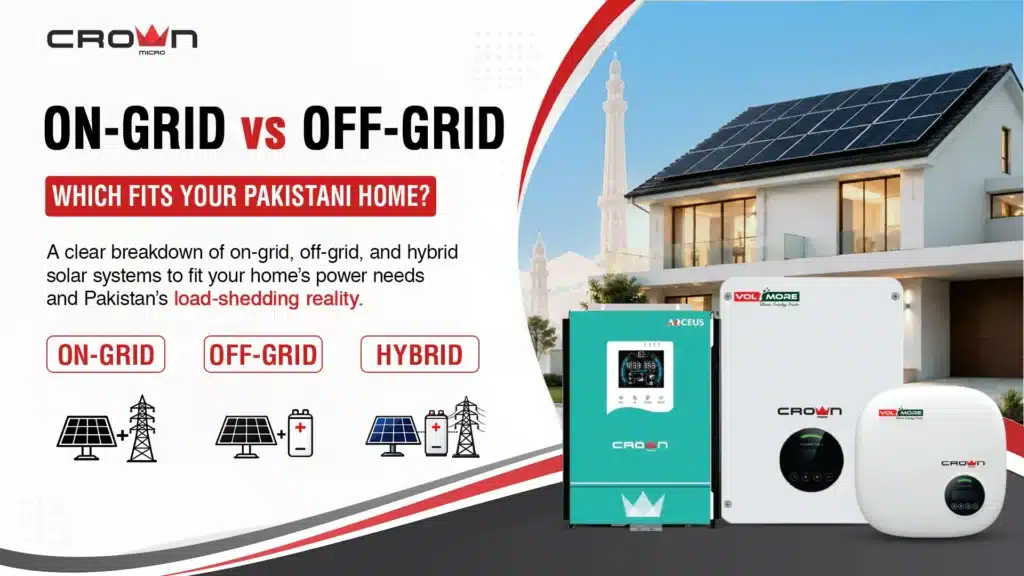
Not every home needs the same setup. The right system depends on how bad your area’s load shedding is, your budget, and whether you want backup power or just a lower bill. There are three main categories worth understanding.
On-Grid Solar System: Best for Urban Areas with Stable Grid
An on-grid solar system connects directly to the power grid (WAPDA or K-Electric) with no battery storage. During the day, your panels power your home directly, and any surplus is exported to the grid for credit. At night, you simply draw from the grid like normal.
This is the cheapest type of system to install, since you’re skipping the most expensive component, the battery bank. It works well in areas with relatively stable supply and manageable load shedding, mostly parts of Lahore, Islamabad, and Karachi’s better-served neighborhoods. The catch is obvious, though. When the grid goes down, so does your solar system, since these inverters are designed to shut off during outages for safety reasons. No battery means no backup.
Off-Grid Solar System: Best for Areas with Heavy Load-Shedding
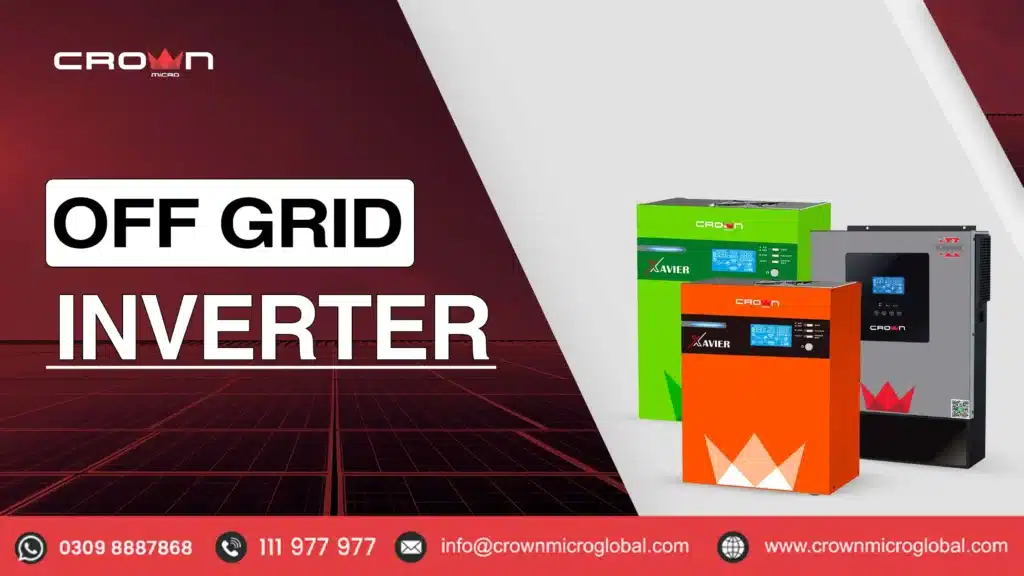
An off-grid solar system operates completely independently of the national grid. Panels charge a battery bank, and your home draws power from that battery, with no connection to the national grid at all. This is common in areas like Tharparkar and other rural regions where grid connection is unreliable or simply doesn’t exist.
Off-grid systems require larger battery banks sized to cover your full daily and nighttime usage, which drives up the price considerably. But for a household dealing with 12 to 16 hours of daily outages, as many rural feeders currently experience, according to April 2026 load shedding data across Pakistan DISCO’s, energy independence stops being a luxury and starts being the only practical option.
Hybrid Solar System: The Most Popular Choice in Pakistan
A hybrid solar system combines the best of both worlds. It stays connected to the grid but also includes battery storage, giving you three power sources working together: solar, battery, and grid, in whatever priority order you configure. This is by far the most common choice among Pakistani homeowners today, and it’s easy to see why.
During the day, solar powers your home and charges your batteries. In the evening, when load shedding typically peaks, your batteries kick in seamlessly. Only when both solar and battery are depleted does the system pull from the power grid.
Pro Tip: If your area experiences evening load shedding more than daytime cuts, prioritize battery capacity over panel count when sizing your system, since you’ll be relying on stored power more than direct solar during the hours that matter most.
How Much Does a Solar System Cost in Pakistan? (2026 Estimates)
Pricing varies by system size, inverter brand, and whether you include batteries, but the table below gives you a realistic starting point based on current 2026 market rates for Tier-1 panels and mid-range inverters.
| System Size | On-Grid (No Battery) | Hybrid with Lithium Battery |
|---|---|---|
| 3kW | PKR 350,000 – 450,000 | PKR 600,000 – 850,000 |
| 5kW | PKR 600,000 – 800,000 | PKR 950,000 – 1,300,000 |
| 10kW | PKR 1,000,000 – 1,200,000 | PKR 1,600,000 – 2,000,000 |
These figures include panels, inverter, mounting structure, wiring, and standard installation, though fees vary by installer and region, and remote districts often carry extra transport charges. Prices also shift with the dollar rate, since panels and inverters are priced against the USD at the factory level. A 5% rupee depreciation can add roughly the same percentage to your final quote within weeks, so it’s worth locking in pricing once you’ve decided rather than waiting indefinitely for a better rate that may not come.
Common Mistake: comparing total system prices instead of price per watt. A quote of eight hundred thousand for an 8kW system and a quote of seven hundred thousand for a 6kW system aren’t really comparable until you break both down per watt. The cheaper total isn’t always the better deal.
Battery choice affects cost more than almost anything else. Lithium batteries cost more upfront but last significantly longer with less maintenance, while lead-acid tubular batteries are cheaper initially but typically need replacement every three to five years. Over a ten-year horizon, lithium usually works out cheaper per unit of storage, even with the higher starting price.
How Much Can You Save on Electricity Bills with Solar?
This is the question every homeowner actually cares about, and the honest answer is: it depends heavily on how you use the power, not just how much you generate. A well-sized hybrid system that maximizes self-consumption, meaning you run your heavy appliances during daylight hours, typically cuts monthly bills by 60 to 80 percent for households that were previously paying the national grid higher slab rates.
Here’s the part most people get wrong. They assume a bigger system automatically means bigger savings. It doesn’t. Oversizing a system beyond what your household actually consumes during the day just means more exported units at a lower buyback rate, not more savings. The smarter approach, and the one most experienced installers will recommend, is sizing your system to match your actual daytime load, then adding just enough battery capacity to cover your evening peak hours.
Did You Know? Running your washing machine, water pump, and iron during peak sun hours instead of the evening can meaningfully change your payback timeline, simply because you’re using solar power directly instead of relying on stored or grid electricity.
Payback periods for a well-designed system in Pakistan currently range from three to six years, depending on system size, local tariff rates, and how much of your consumption happens during daylight. After that point, you’re essentially generating free electricity for the remaining fifteen to twenty years of the system’s working life.
What Is Net Metering and How Does It Work in Pakistan? (2026 Update)
If you’ve been reading about solar in Pakistan for a while, you’ve probably heard net metering described as a way to make your bill disappear. That description is outdated now, and it’s important that you understand why before making a purchase decision.
For years, Pakistan operated under a one-to-one net metering system regulated by NEPRA, where every unit you exported to the grid offset a unit you imported, at the same rate. That changed in February 2026, when NEPRA formally notified new Prosumer Regulations that replaced the decade-old net metering framework with a net-billing system, requiring utilities to purchase excess electricity from prosumers at the national average energy purchase price while continuing to sell electricity back at the standard consumer tariff, according to NEPRA’s official notification covered by The Express Tribune. In practical terms, exported units are now valued at roughly Rs 11 to 15 per unit, while imported grid electricity still costs Rs 37 to 55 or more per unit, depending on your slab.
That’s a real gap, and it changes the math. The smart strategy under net billing is to consume as much of your own solar power directly as possible rather than exporting it and buying it back later at a loss. Existing solar owners aren’t left out in the cold, though. NEPRA’s clarification protecting existing net metering consumers confirms that consumers who already have net metering agreements will continue under their existing terms until those contracts expire, so if you installed before February 2026, your current arrangement holds.
Pro Tip: if you’re installing new, ask your installer to design around self-consumption rather than maximum export capacity. A correctly sized 5kW hybrid system with adequate battery storage will now outperform an oversized 10kW on-grid system in real monthly savings, even though the sticker price is lower.
How Many Solar Panels Does Your Pakistani Home Actually Need?
This isn’t a question with a single right answer, and any installer who gives you a number without asking about your electricity bill first probably isn’t worth hiring. Panel count depends on your average daily unit consumption, not your roof size or your neighbor’s system.
Start with your last few grid electricity bills and calculate your average daily units consumed. A household using around 20 to 25 units a day typically needs a 5kW system, roughly twelve to fourteen panels, depending on wattage. A larger home running multiple inverter ACs and consuming 40 to 50 units daily usually needs a 10kW setup, closer to twenty-two to twenty-six panels.
Roof orientation and shading matter too. South-facing roofs with no obstruction get the best output across Pakistan’s latitude, while east or west-facing installations lose some efficiency but still work reasonably well. Trees, water tanks, and neighboring buildings casting shadows during peak hours can quietly reduce your system’s output far more than most people expect, sometimes by 15 to 20 percent if even a small section of your array is shaded during midday.
It sounds simple until it isn’t. Sizing correctly, the first time, saves you from either an underpowered system that still leaves you dependent on WAPDA, or an oversized one where you paid for capacity you’ll never fully use under the new net billing rates.
What to Look for When Choosing a Solar Company in Pakistan
Picking the right installer matters just as much as picking the right panels, arguably more, because even good equipment performs poorly with bad installation. A few things are worth checking before you sign anything.
Look for AEDB-registered installers, since net metering applications require this certification regardless of who supplies your equipment. Ask specifically about warranty terms on panels, inverters, and batteries separately, since these often carry different coverage periods. Confirm the company has a local service center, not just a sales office, because solar systems occasionally need maintenance and you don’t want to be chasing a supplier who’s disappeared after installation.
This is where a lot of buyers get caught off guard. A low quote often means a shorter warranty, an unbranded inverter, or installation by unlicensed technicians who skip the DISCO approval paperwork entirely, leaving your net metering or net billing application stuck in limbo for months. Solar Energy Companies with genuine track records, like Crown Micro Global, which has built out solar and inverter manufacturing experience across three decades and multiple markets including Pakistan, tend to bring something smaller vendors can’t easily match: a full product range spanning on-grid, off-grid, and hybrid inverters alongside batteries and UPS units, all sourced and tested under one roof rather than assembled from whichever suppliers happened to be cheapest that month.
That kind of consistency matters more than it sounds. When your inverter, batteries, and panels are engineered to work together rather than mixed and matched from unrelated brands, troubleshooting becomes simpler, and warranty claims don’t turn into finger-pointing between three different companies.
Why Crown Micro Global Fits Pakistan’s Solar Needs
Pakistan’s solar market is crowded with vendors chasing quick sales, and that makes it genuinely hard to tell who’s built for the long haul. Crown Micro Global has operated for over 30 years, growing out of SADITA Holding LTD into a presence across nearly twenty countries, including Pakistan, working with more than 500 business clients worldwide.
What actually matters for a homeowner comparing options is the product depth. Crown Micro Global’s lineup covers on-grid, off-grid, and hybrid inverters, online and offline UPS units, solar panels, and a range of batteries, which means your entire system, from the panel on your roof to the battery in your utility room, can come from a single manufacturer with matching specifications and unified support. Their hybrid inverters, like the Nova 8.2KW and ElegoVI 6KW models, include features increasingly relevant under the new net billing rules, such as programmable supply priority between solar, battery, and grid, letting you configure your system to maximize self-consumption exactly the way current NEPRA regulations reward.
If load shedding, rising bills, and voltage fluctuations have been wearing you down, the next step isn’t complicated. It’s getting a proper load assessment done, sizing a system around your actual daily consumption, and choosing components built to work together rather than pieced together from mismatched suppliers. That’s the difference between a solar system you’ll be happy with in year one and one you’ll still be happy with in year fifteen.
Frequently Asked Questions About Solar Power in Pakistan
Is solar power reliable during load-shedding?
It depends entirely on the type of system you install. On-grid systems without batteries shut down during outages for safety reasons, since they’re designed to prevent feeding power back into a dead grid line where utility workers might be doing repairs. Hybrid and off-grid systems, which include battery storage, continue supplying power seamlessly during outages, which is exactly why hybrid setups have become the standard choice for most Pakistani households dealing with regular load shedding.
How long do solar panels last in Pakistan’s climate?
Most Tier-1 monocrystalline panels come with a 25-year performance warranty, though real-world output does gradually decline over time, typically losing less than half a percent of efficiency each year. Pakistan’s intense heat and dust do accelerate wear slightly compared to milder climates, which is why regular cleaning and choosing panels rated for high-temperature performance both matter more here than in cooler countries.
Can I get net metering with a hybrid system?
Yes, hybrid systems qualify for grid interconnection under NEPRA’s current framework, as long as your inverter includes anti-islanding protection and meets approved equipment standards. Keep in mind you’ll now be operating under the net billing structure rather than the older one-to-one net metering system, unless you have an existing agreement that predates the February 2026 regulatory change.
What government incentives are available for solar in Pakistan?
Solar panels, inverters, and related equipment have carried GST and customs duty exemptions in recent years to encourage adoption, though these policies are periodically reviewed and have shifted before, so it’s worth confirming current rates with your installer at the time of purchase. Beyond tax treatment, the underlying incentive remains straightforward: rising grid electricity tariffs and persistent load shedding make solar one of the few investments in Pakistan that pays for itself through routine household savings rather than depending on any single policy staying unchanged.